



As we age, it’s natural for our bodies to undergo various changes, and our oral health is no exception. Understanding the unique dental needs of older adults is crucial for maintaining a healthy smile and overall well-being. In this blog post, we’ll explore the impact of aging on oral health and provide valuable insights into how to care for your teeth and gums as you get older.
Understanding the Effects of Aging on Oral Health
As we age, our bodies experience a range of physiological changes that can affect our oral health. These changes may include:
1. Tooth Wear
Over time, teeth can wear down from years of use, potentially leading to issues such as sensitivity and an increased risk of decay.
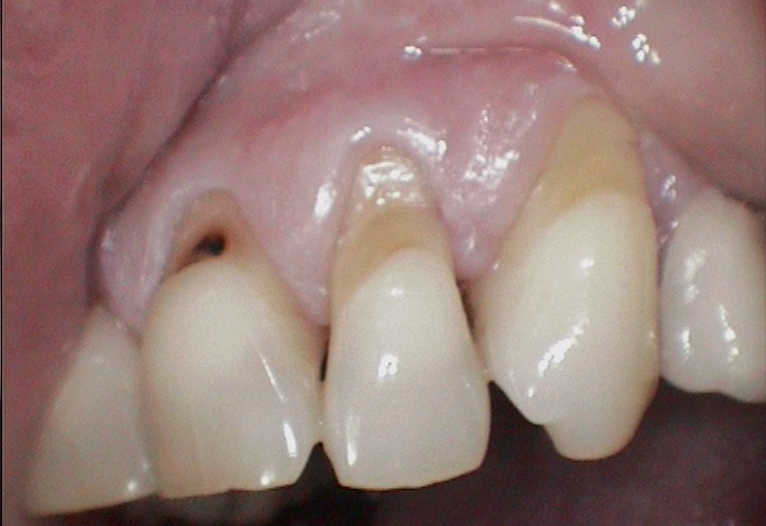
2. Gum Recession
As we age, our gums may recede, exposing the roots of the teeth and making them more susceptible to decay and sensitivity.
3. Dry Mouth:
Many older adults experience dry mouth, which can result from certain medications or medical conditions. Reduced saliva flow can contribute to an increased risk of cavities and oral discomfort.
4. Increased Risk of Oral Diseases:
Older adults may be more susceptible to conditions such as gum disease, oral cancer, and other oral health issues, making regular dental check-ups even more critical.
Tips for Maintaining Oral Health in Older Age
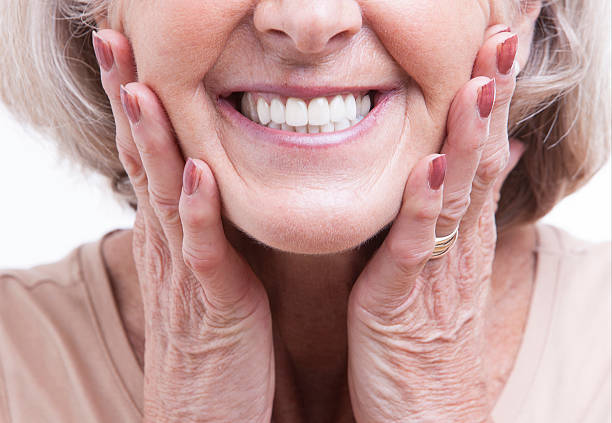
Despite the natural changes that occur as we age, there are several proactive steps that older adults can take to preserve their oral health and enjoy a bright, healthy smile for years to come:
1. Regular Dental Check-ups: Scheduling regular dental appointments is essential for monitoring oral health and addressing any emerging issues promptly.
2. Daily Oral Care: Maintaining a consistent oral hygiene routine, including brushing twice a day and flossing, is crucial for preventing decay and gum disease.
3. Addressing Dry Mouth: If dry mouth is a concern, speak with your dentist about potential solutions, such as mouth rinses or other products designed to alleviate dry mouth symptoms.
4. Nutritious Diet: Eating a balanced diet rich in essential nutrients, particularly calcium and vitamin D, can help support strong teeth and gums.
5. Avoiding Tobacco and Excessive Alcohol: Both tobacco use and heavy alcohol consumption can significantly impact oral health, so it’s important to minimize or eliminate these habits.
Conclusion
As we navigate the journey of aging, prioritizing our oral health becomes increasingly important. By understanding the effects of aging on oral health and implementing proactive oral care practices, older adults can continue to enjoy a healthy, radiant smile well into their golden years. Remember, your dentist is your partner in maintaining oral health, so don’t hesitate to seek their guidance and expertise as you age gracefully. We hope this blog post has provided valuable insights into the importance of maintaining oral health as we age. If you have any questions or concerns about your oral health, please don’t hesitate to reach out to our team. We’re here to support you every step of the way on your journey to optimal oral health.